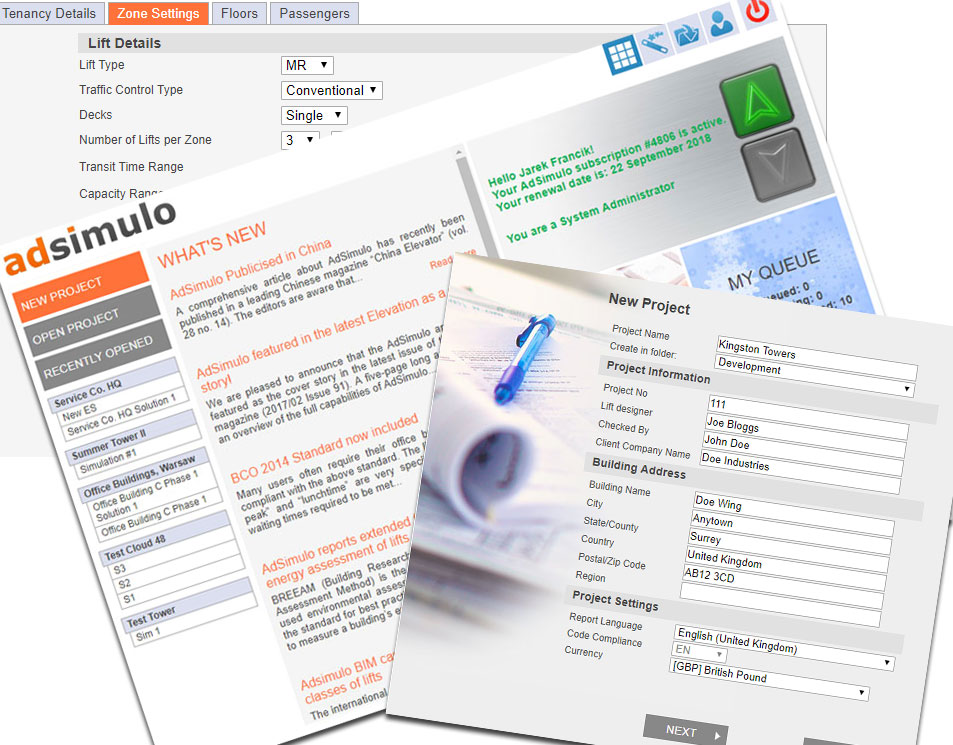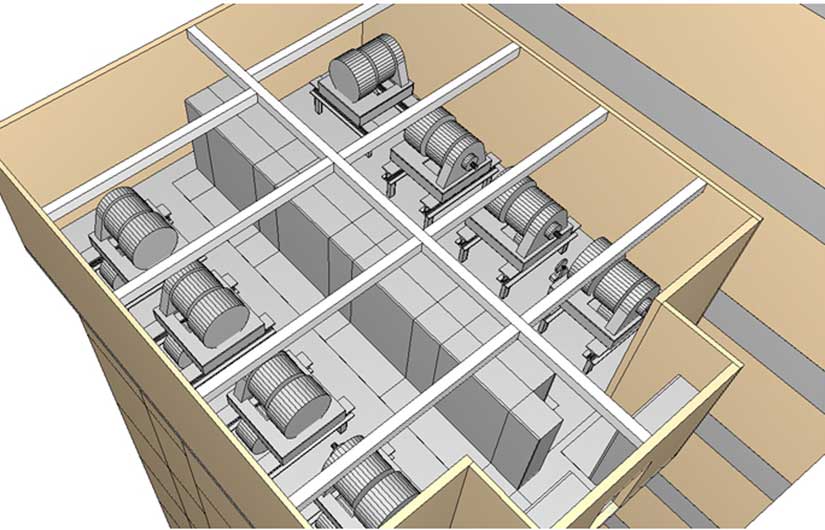


If you have ever discovered a shaft dimension clash late in the design stage, you know how expensive elevator coordination mistakes can be. A few centimetres lost in a core wall. A door opening misaligned with architectural grids. Structural conflicts that only appear when shop drawings are issued. These issues delay projects, increase variation costs, and strain relationships between consultants and contractors.
This is where BIM elevator analysis changes the workflow.
For architects, MEP engineers, vertical transportation consultants, and developers across the USA, UK, and Europe, BIM elevator analysis allows lift systems to be integrated into the building model early and accurately. Instead of treating elevators as isolated packages, the analysis connects shaft geometry, machine space, pit depth, headroom, door clearances, and traffic performance directly within the Building Information Modeling environment.
The result is fewer clashes, stronger compliance documentation, and better-informed decisions before construction begins.
BIM elevator analysis refers to the use of Building Information Modeling tools to assess lift design, spatial coordination, and performance within a coordinated 3D model.
Rather than reviewing 2D drawings and spreadsheets separately, lift systems are embedded into the digital building model. This allows teams to evaluate:
More importantly, BIM elevator analysis enables data exchange between lift traffic modelling software and the BIM environment. That means lift performance assumptions can be aligned with real architectural and mechanical constraints.
It is not just geometry. It is performance-informed coordination.

In many projects, lift design still follows a fragmented process. Traffic calculations are prepared separately. Architectural layouts evolve independently. Structural adjustments are made without immediate vertical transportation validation.
This creates predictable problems.
A shaft that worked in early sketches may no longer meet final structural requirements. A revised occupancy density may increase peak traffic beyond the original lift group capacity. Fire regulations may demand additional lobby separations that affect door layouts.
BIM elevator analysis reduces these disconnects by placing lift data inside the shared digital model. Changes become visible earlier. Clash detection highlights conflicts before they reach site. Coordination meetings shift from reactive problem solving to proactive validation.
For high-rise projects, this integrated approach protects both schedule and budget.
Elevator shafts interact with structural cores, staircases, risers, and plant rooms. Even minor misalignments can cause cascading revisions.
With BIM elevator analysis, lift geometry is coordinated directly within the 3D model. Architects and engineers can validate clearances, slab openings, and wall thicknesses in real time. Adjustments are made digitally instead of during construction.
This level of coordination is especially important in tight urban developments where core efficiency affects rentable floor area.
Elevator traffic analysis often influences shaft count, car size, and zoning strategies. When traffic modelling results are integrated with the BIM model, spatial implications are immediately visible.
For example, increasing car capacity may require larger shaft dimensions. Introducing a sky lobby changes structural loads and floor planning. BIM elevator analysis allows teams to see these consequences before finalising layouts.
Instead of reworking drawings repeatedly, design teams align performance and geometry from the start.
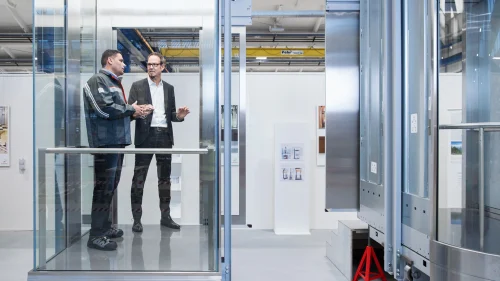
Building codes in the USA, UK, and across Europe impose strict requirements on lift design. These include accessibility regulations, fire safety provisions, refuge floor strategies, and minimum clearances.
BIM elevator analysis supports compliance in several ways.
First, it ensures dimensional requirements such as pit depth, headroom, and door widths are validated against current codes. Second, it creates a documented digital record of coordination decisions. This is valuable when responding to regulatory authorities or third-party reviewers.
For projects targeting sustainability certifications, coordinated lift modelling also helps demonstrate energy and operational efficiency strategies. Accurate modelling supports realistic performance assumptions, which feed into broader building simulations.
Digital traceability improves accountability across disciplines.
High-rise and mixed-use developments introduce additional layers of complexity. Multiple lift groups may serve different zones. Transfer floors, shuttle lifts, and service elevators must operate within tight core constraints.
Without structured modelling, coordination errors multiply.
BIM elevator analysis allows teams to test different zoning strategies inside the building model. Changes in one zone can be evaluated for their structural and spatial impact on others. Lift machine locations, counterweight clearances, and maintenance access routes are reviewed in context.
For developers managing multi-phase towers or cross-border projects, digital standardisation improves consistency. Shared BIM workflows ensure lift design decisions follow the same structured validation process across regions.

One of the most powerful aspects of BIM elevator analysis is its integration with elevator traffic simulation.
Traffic simulation predicts waiting times, handling capacity, and peak performance. BIM ensures the spatial design can physically support those performance assumptions.
When these systems operate separately, discrepancies appear. A traffic study may assume car dimensions that do not fit the architectural core. A revised shaft layout may invalidate earlier performance calculations.
By linking simulation outputs to the BIM environment, teams maintain alignment between performance modelling and physical design. This reduces late-stage revisions and strengthens confidence in final specifications.
For stakeholders, it provides measurable evidence that lift design is both spatially coordinated and performance-tested.
The benefits of BIM elevator analysis extend beyond consultants.
Contractors rely on accurate shaft dimensions and coordinated structural openings. Fabricators need reliable data for rail brackets, door frames, and machine supports. When lift models are properly integrated into BIM, fabrication drawings can be derived with fewer discrepancies.
Clash detection reduces on-site surprises. Installation sequencing can be planned more accurately. Maintenance access provisions are validated during design instead of after installation.
This improves communication between design teams and site teams, reducing costly rework.
The earlier BIM elevator analysis is introduced, the greater its impact.
Ideally, it begins during concept design when core layouts are still flexible. Early modelling allows teams to adjust shaft counts and configurations without structural compromise.
It remains valuable during detailed design as occupancy assumptions, regulatory feedback, and mechanical requirements evolve. Updating the model ensures lift design remains aligned with broader project changes.
In refurbishment or change-of-use projects, BIM elevator analysis helps assess whether existing shafts can support new traffic demands. This avoids unrealistic retrofit proposals that fail to meet compliance standards.
Lift systems sit at the intersection of architecture, structure, and mechanical design. When they are treated as separate packages, coordination gaps appear. When they are integrated digitally, those gaps narrow.
BIM elevator analysis connects spatial coordination with performance logic. It strengthens compliance documentation, reduces design risk, and supports informed decision-making across disciplines.
If your project involves complex cores, high-rise development, or strict regulatory requirements, a structured approach to BIM-integrated lift analysis can provide clarity before construction begins. A focused review of your current modelling workflow may reveal opportunities to reduce risk and improve coordination without disrupting your design process.
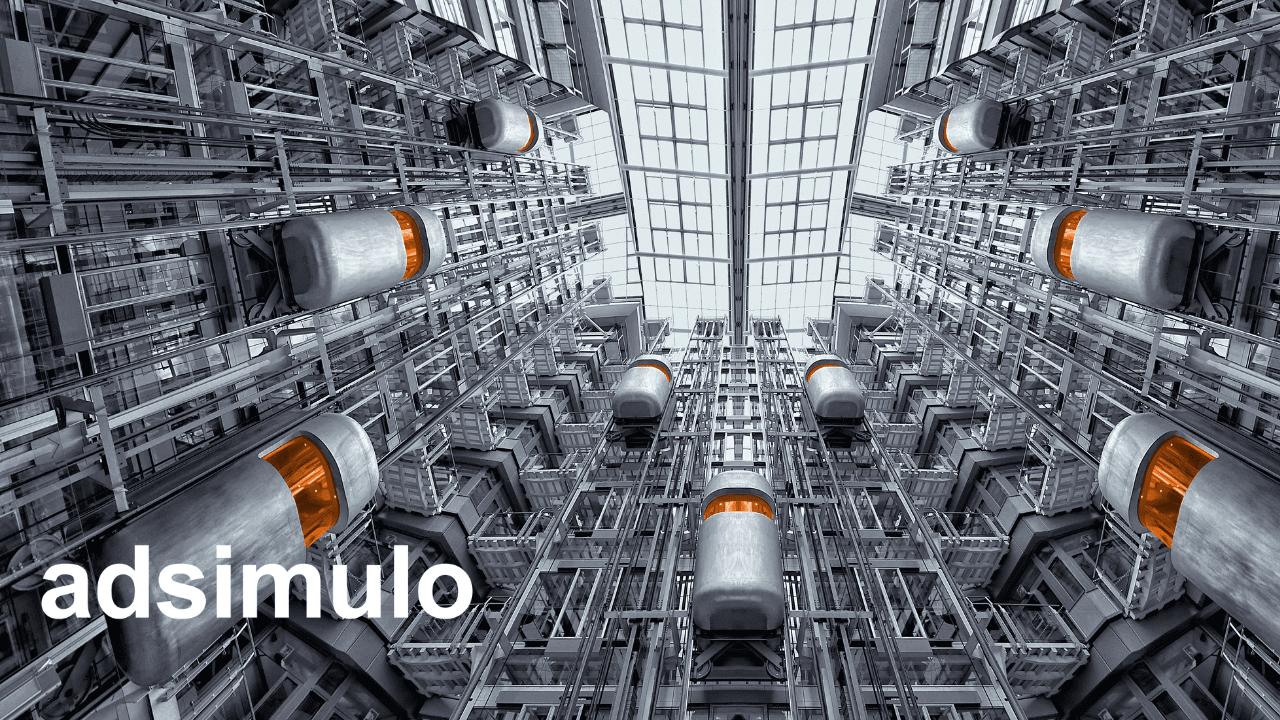




Standard lift drawings often focus on isolated dimensions and manufacturer details. BIM elevator analysis places those details inside a coordinated 3D building model. This means shaft geometry, structural interfaces, and mechanical systems are reviewed together rather than separately.
Instead of reviewing PDFs in isolation, architects and engineers see lift components within the digital core. This improves clash detection and ensures compliance requirements such as headroom and pit depth are verified against actual building geometry. It transforms lift coordination from a drawing-based process into a model-based validation workflow.
Yes. Many late-stage revisions occur because lift dimensions or traffic assumptions were not aligned with architectural or structural updates. BIM elevator analysis reduces this risk by integrating lift design into the shared model from early stages.
When core layouts change, the lift model reflects those changes immediately. Conflicts become visible during coordination meetings instead of on site. This reduces variation orders, protects schedules, and improves budget control. While no process eliminates all revisions, model-based coordination reduces avoidable errors.
Most authorities do not mandate BIM specifically, but they require compliance with dimensional, safety, and accessibility standards. BIM elevator analysis supports regulatory approval by providing clear digital documentation of compliance checks.
For example, validated door clearances, refuge provisions, and fire-rated lobby separations can be demonstrated within the model. This structured documentation simplifies communication with building control authorities and independent reviewers. It also strengthens internal quality assurance processes.
BIM elevator analysis operates within a shared data environment. Architects, structural engineers, and MEP consultants work from the same coordinated model. Changes in one discipline become visible to others in real time.
This reduces siloed decision-making. Instead of waiting for updated drawings, teams can review clashes directly within coordination software. The result is clearer communication and fewer misunderstandings about shaft positioning, slab openings, or plant space requirements.
While it is most impactful in high-rise or complex mixed-use developments, BIM elevator analysis can benefit mid-rise projects as well. Buildings with tight cores, high occupant density, or strict accessibility requirements often gain value from integrated modelling.
Even in smaller projects, early coordination reduces risk. The decision depends on project complexity rather than height alone. When lift performance and compliance are priorities, model-based validation provides measurable assurance.

We use cookies to improve your experience on our site. By using our site, you consent to cookies.
Manage your cookie preferences below:
Essential cookies enable basic functions and are necessary for the proper function of the website.
Google reCAPTCHA helps protect websites from spam and abuse by verifying user interactions through challenges.
Google Tag Manager simplifies the management of marketing tags on your website without code changes.
Statistics cookies collect information anonymously. This information helps us understand how visitors use our website.
SourceBuster is used by WooCommerce for order attribution based on user source.
Marketing cookies are used to follow visitors to websites. The intention is to show ads that are relevant and engaging to the individual user.
Facebook Pixel is a web analytics service that tracks and reports website traffic.
Service URL: www.facebook.com (opens in a new window)
You can find more information in our Cookie Policy and Privacy Notice.