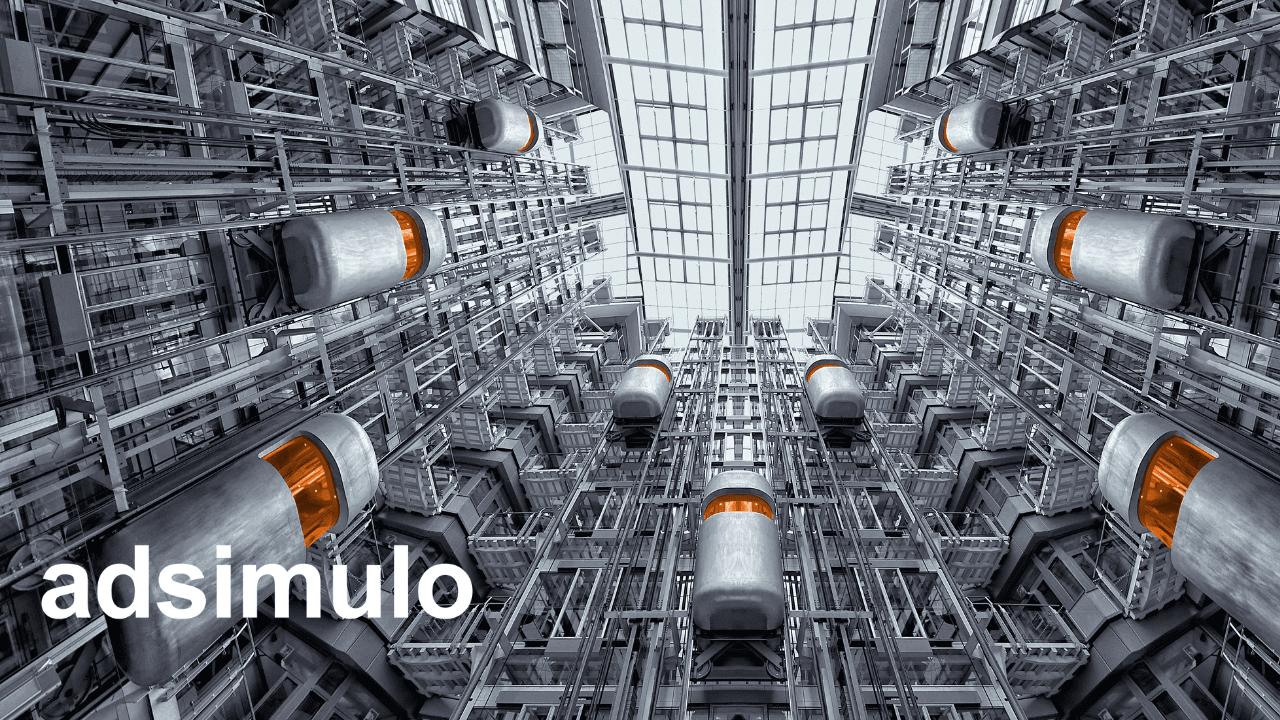
As buildings grow taller, denser, and more complex, vertical transportation has become a critical part of overall building performance. Elevators are no longer just a functional necessity. They influence user experience, space efficiency, and how well a building operates during peak demand. For architects, engineers, and consultants, elevator software has become an essential tool for planning systems that work as intended.
Rather than relying solely on static calculations or experience-based assumptions, modern elevator software enables professionals to analyze, simulate, and evaluate lift performance using structured data. This approach supports clearer decision-making and helps teams justify design choices throughout the project lifecycle.
At its core, elevator software is used to analyze and simulate how lift systems perform under defined conditions. By modeling passenger demand and traffic patterns, professionals can better understand how an elevator system is likely to behave in real-world use.
Instead of treating elevators as isolated components, the software allows planners to evaluate vertical transportation as part of a wider building system. This includes examining factors such as handling capacity, waiting times, and system efficiency across different usage scenarios. The goal is not prediction in absolute terms, but informed evaluation based on measurable inputs.
Modern buildings rarely have simple traffic patterns. Offices, hotels, residential towers, and mixed-use developments all experience varying demand throughout the day.
Elevator software allows these variations to be modeled through simulation. By testing different traffic conditions, teams can assess whether a proposed lift configuration aligns with the intended use of the building. This reduces uncertainty and helps identify potential performance issues early, when adjustments are easier and less costly to make.
Simulation also supports comparison. Designers can evaluate alternative configurations, such as different lift quantities or zoning strategies, and understand the trade-offs involved before finalizing plans.
Decisions about elevator systems are often made during early design stages, yet they have long-term implications for space planning and building performance.
Using elevator software early in the process gives project teams access to performance insights before layouts are locked in. Architects and engineers can explore how changes in core size, shaft allocation, or system configuration affect vertical transportation outcomes. This leads to more coordinated designs and reduces the likelihood of late-stage revisions driven by performance concerns.
Early analysis also helps align elevator planning with architectural intent, ensuring that vertical transportation supports, rather than constrains, the overall design.
Vertical transportation planning involves multiple stakeholders. Architects, structural engineers, lift consultants, and developers all need to understand how an elevator system is expected to perform.
Elevator software produces structured outputs, such as traffic reports and visualizations, that make performance data easier to communicate. These outputs help bridge the gap between technical analysis and design discussions. When performance assumptions and results are clearly documented, collaboration becomes more efficient and decisions are easier to justify.
This clarity is especially valuable in projects where elevator performance must be reviewed, validated, or explained to non-specialist stakeholders.
As buildings become more complex, expectations around performance continue to rise. Users expect reasonable waiting times, efficient movement, and systems that function reliably under varying demand.
Elevator software, like that designed by AdSimulo, helps professionals respond to these expectations by providing a structured way to evaluate performance rather than relying on general guidelines alone. It supports a more analytical approach to vertical transportation planning, which is increasingly important in dense urban environments and mixed-use developments.
For AEC professionals, the value lies in confidence. Confidence that elevator systems have been evaluated against realistic scenarios, confidence that design decisions can be supported with data, and confidence that vertical transportation has been properly integrated into the broader building strategy.


Elevator traffic analysis is used to evaluate how a lift system performs under different demand scenarios. It helps professionals understand expected waiting times, handling capacity, and system behavior based on defined building and occupancy parameters, supporting more informed planning decisions.

Elevator simulation software allows designers to model traffic patterns and test system configurations before construction. This helps teams assess whether a proposed elevator strategy aligns with building usage and performance expectations without relying solely on assumptions.
Elevator software is commonly used by architects, lift consultants, engineers, and other professionals involved in vertical transportation planning. These users rely on simulation outputs and reports to support design coordination and justify decisions within project teams.
Yes. Elevator software can model different traffic profiles within the same building, which is especially useful for mixed-use developments. This allows planners to evaluate how multiple user groups interact with the lift system throughout the day.
Elevator software can generate structured data outputs that support coordination with BIM-based design processes. This helps integrate vertical transportation planning into wider digital workflows without disrupting established project documentation methods.
We use cookies to improve your experience on our site. By using our site, you consent to cookies.
Manage your cookie preferences below:
Essential cookies enable basic functions and are necessary for the proper function of the website.
Google reCAPTCHA helps protect websites from spam and abuse by verifying user interactions through challenges.
Google Tag Manager simplifies the management of marketing tags on your website without code changes.
Statistics cookies collect information anonymously. This information helps us understand how visitors use our website.
SourceBuster is used by WooCommerce for order attribution based on user source.
Marketing cookies are used to follow visitors to websites. The intention is to show ads that are relevant and engaging to the individual user.
Facebook Pixel is a web analytics service that tracks and reports website traffic.
Service URL: www.facebook.com (opens in a new window)
You can find more information in our Cookie Policy and Privacy Notice.